
Healthy relationships are built on more than shared interests or daily routines. Emotional connection, trust, and mutual understanding play a vital role in creating lasting bonds, and these qualities often flourish when couples intentionally slow down together. In the midst of busy schedules, professional demands, and constant digital engagement, many partners struggle to find meaningful moments of connection.
Relaxation rituals offer a practical and gentle way to restore balance. Rather than requiring dramatic changes or complex strategies, they create space for couples to reconnect, unwind, and support one another emotionally. Over time, these shared moments of calm can significantly strengthen relationship health in natural and sustainable ways.
Why Relaxation Matters in Modern Relationships
Stress is one of the most common pressures faced by couples today. Work responsibilities, financial concerns, family obligations, and ongoing exposure to digital information can keep the nervous system in a constant state of alertness. When stress becomes chronic, it often spills into relationships.
High stress levels can reduce patience, affect emotional availability, and increase misunderstandings. Small issues may feel overwhelming, and communication can become reactive rather than thoughtful. Over time, this environment may lead to emotional distance, even between partners who care deeply for one another.
Relaxation helps counteract these effects by calming the body and mind. When the nervous system shifts out of stress mode, partners are better able to listen, empathise, and respond with clarity. This creates a healthier emotional foundation where trust and understanding can grow more easily.
Understanding Emotional Regulation as a Couple
Emotional regulation is the ability to manage feelings in a balanced way. While often discussed at an individual level, emotional regulation also functions within relationships. When one partner is calm, it can positively influence the other. Conversely, heightened tension can escalate quickly when both partners feel overwhelmed.
Shared relaxation rituals encourage co-regulation, where partners support one another in achieving emotional balance. Through calm breathing, quiet presence, or gentle activities, couples can collectively reduce emotional intensity. This shared regulation strengthens emotional safety and helps prevent conflicts from escalating unnecessarily.
Creating Intentional Time Together Without Distractions
One of the simplest yet most effective relaxation rituals is dedicating intentional time to be together without external distractions. This may involve turning off phones, stepping away from screens, or creating a quiet space free from interruptions.
The purpose of intentional time is not productivity or problem-solving. Instead, it focuses on shared presence. Sitting together in silence, enjoying a calm activity, or simply resting in the same space allows couples to reconnect without pressure.
These moments communicate an important message: the relationship is valued and prioritised. Even short, consistent periods of intentional calm can reinforce emotional closeness and help partners feel seen and appreciated.
The Psychological Benefits of Shared Calm
When two people relax together, their physiological responses often begin to synchronise. Breathing slows, heart rates stabilise, and muscle tension decreases. This shared state of calm creates a subtle but powerful sense of connection.
Psychologically, shared relaxation reduces defensiveness and promotes openness. When partners are relaxed, they are less likely to interpret words or actions as threats. This emotional softness allows trust to deepen and misunderstandings to resolve more naturally.
Over time, the association between calm and togetherness strengthens. Couples may begin to feel safer and more grounded simply by being in each other’s presence, even during challenging periods.
Touch-Based Relaxation Rituals and Emotional Bonding
Touch plays a central role in human connection. Gentle, respectful physical contact can communicate reassurance, affection, and care without the need for words. For couples, touch-based relaxation rituals often become an important tool for emotional bonding.
Simple practices such as holding hands, gentle stretching, or relaxed physical closeness can help release tension and reinforce emotional security. These moments of touch are not about performance or expectation, but about comfort and mutual presence.
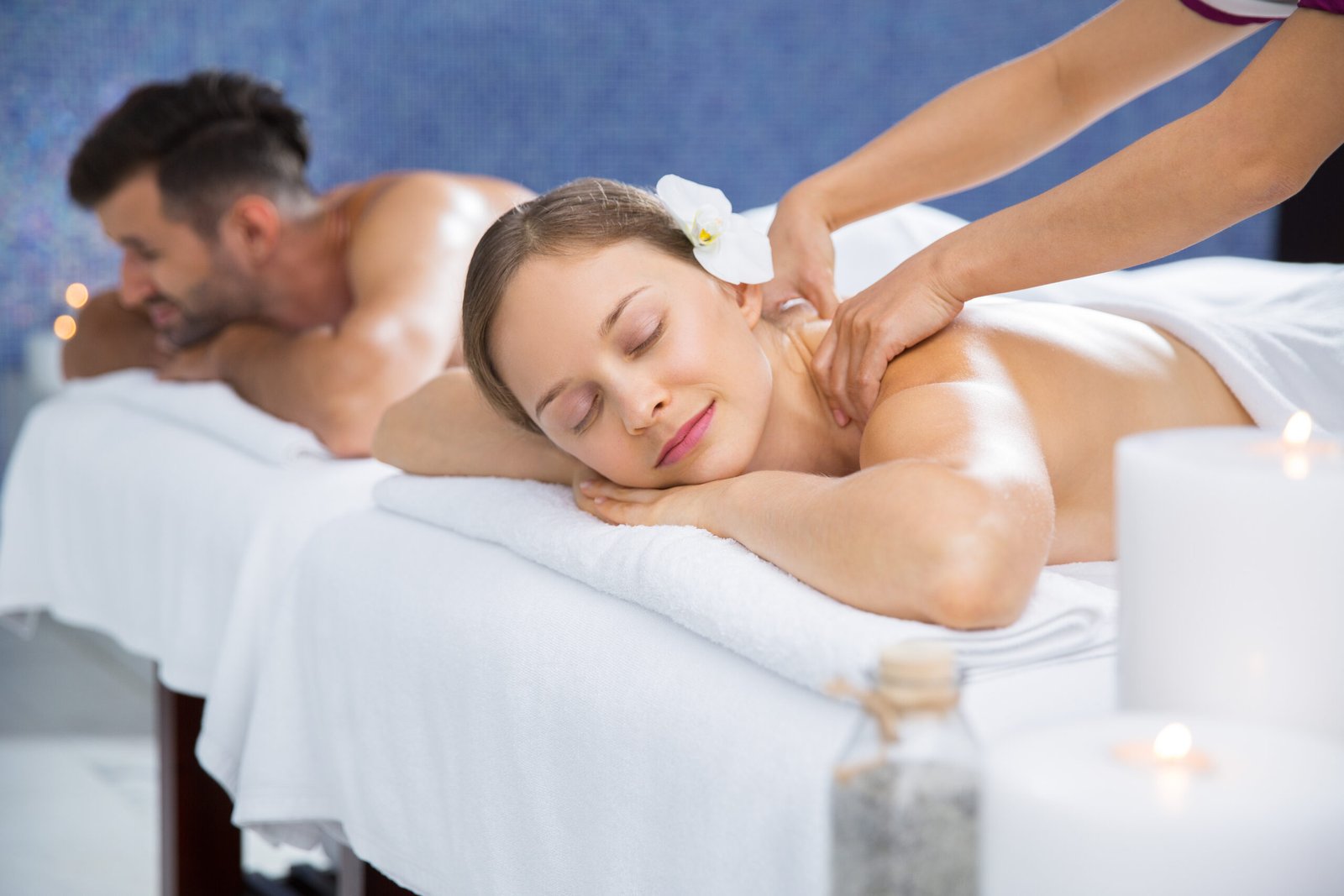
Many couples also explore structured wellness experiences as part of their relaxation routine. For example, services such as couples massage London are often chosen not only for physical relaxation, but for the emotional closeness they foster in a calm, supportive environment. These shared experiences can enhance trust and reinforce a sense of partnership.
Relaxation Without Pressure or Expectations
A common challenge in relationships is the presence of unspoken expectations. When time together becomes tied to specific outcomes, such as emotional breakthroughs or conflict resolution, it can create pressure rather than connection.
Successful relaxation rituals remove this pressure. There is no need to talk, fix issues, or achieve a particular emotional state. Simply allowing space to relax together is enough.
This absence of expectation encourages authenticity. Partners are more likely to show up as they are, without fear of disappointing one another. Over time, this openness builds emotional resilience and strengthens trust.
Building Trust Through Consistency
Consistency is a key factor in relationship health. While grand gestures may feel meaningful in the moment, it is often small, repeated actions that build long-term trust. Relaxation rituals work best when practised regularly.
Knowing that there will be predictable moments of calm together can provide emotional reassurance. These rituals become anchors within the relationship, offering stability during stressful periods.
Consistency also reinforces reliability. When partners follow through on shared relaxation practices, it demonstrates care and commitment. This reliability strengthens emotional bonds and fosters a deeper sense of security.
Relaxation Rituals That Fit Everyday Life
Relaxation does not require elaborate planning or special circumstances. Many effective rituals fit easily into daily routines. The key is intentionality rather than complexity.
Examples include:
- Sharing a quiet cup of tea in the evening
- Practising slow breathing together before sleep
- Sitting in silence for a few minutes after a busy day
- Taking a calm walk without discussing responsibilities
- Ending the day with a brief moment of physical closeness
These simple practices help prevent stress from accumulating and create regular opportunities for connection.
How Relaxation Improves Communication Naturally
Interestingly, relaxation rituals often improve communication without focusing directly on conversation. When stress levels are lower, partners tend to be more patient, attentive, and emotionally aware.
Relaxed individuals are better able to listen without interrupting or becoming defensive. Emotional cues are easier to read, and responses feel more thoughtful. This creates a communication environment that feels supportive rather than confrontational.
Over time, couples who relax together may find that difficult conversations become easier. Because emotional trust has already been established, discussions feel less threatening and more collaborative.
Supporting Emotional Intimacy Over Time
Emotional intimacy develops through shared experiences of vulnerability, safety, and care. Relaxation rituals support all three. By slowing down together, partners create space to connect beyond daily roles and responsibilities.
These moments of calm allow individuals to feel accepted without having to perform or meet expectations. This acceptance strengthens emotional closeness and reinforces the sense that the relationship is a safe place.
As emotional intimacy grows, partners often feel more comfortable expressing needs, concerns, and appreciation. This openness further supports long-term relationship health.
Relaxation as Preventive Relationship Care
Much like physical exercise supports long-term health, relaxation rituals can be seen as preventive care for relationships. Rather than waiting for stress or conflict to escalate, these practices help maintain emotional balance.
Regular relaxation reduces the likelihood of emotional burnout. It creates space to recharge, reflect, and reconnect before tension accumulates. This proactive approach supports a healthier and more resilient partnership.
Viewing relaxation as essential rather than optional encourages couples to prioritise emotional wellbeing alongside other responsibilities.
Adapting Relaxation Rituals During Challenging Times
Every relationship faces periods of difficulty. During these times, relaxation rituals can become even more important. While it may feel counterintuitive to slow down when stress is high, doing so can provide much-needed emotional grounding.
Adaptability is key. Relaxation practices may need to change based on circumstances, energy levels, or emotional needs. The goal is not perfection, but continued presence and mutual support.
Even brief moments of calm can help partners feel less alone during challenging phases, reinforcing the sense of being a team.
The Role of Mindfulness in Shared Relaxation
Mindfulness involves being fully present in the moment without judgment. When incorporated into relaxation rituals, mindfulness enhances emotional awareness and connection.
Practising mindfulness together encourages partners to notice subtle emotional cues and physical sensations. This awareness fosters empathy and deepens understanding.
Mindful relaxation also helps reduce rumination and anxiety, allowing couples to focus on what is happening now rather than dwelling on past concerns or future worries.
Cultural and Lifestyle Influences on Relaxation Practices
Relaxation rituals may look different depending on cultural background, lifestyle, and personal preferences. What matters most is that the practice feels authentic and supportive for both partners.
Some couples prefer quiet, introspective activities, while others find relaxation through gentle movement or shared creative pursuits. Respecting individual differences ensures that relaxation remains a positive experience rather than a source of tension.
Open communication about preferences can help couples design rituals that suit their unique dynamic.
Strengthening Relationship Identity Through Rituals
Rituals play an important role in shaping relationship identity. Over time, shared relaxation practices become part of the couple’s story, reinforcing a sense of “us.”
These rituals create continuity and meaning. They remind partners of their shared values and commitment, even as external circumstances change.
A strong relationship identity supports long-term stability and helps couples navigate transitions with greater confidence.
A Gentle Investment in Long-Term Connection
Relaxation rituals are not about escaping reality, but about creating space within it. They offer couples a gentle and sustainable way to reconnect, strengthen emotional bonds, and support overall relationship health.
Through shared calm, mindful presence, and mutual care, relationships can grow stronger and more resilient. These practices remind partners that connection does not require constant effort, but rather intentional moments of stillness.
In a world that often encourages constant movement and productivity, choosing to slow down together may be one of the most meaningful investments a couple can make.
Read more exciting news on mkpcric.shop