
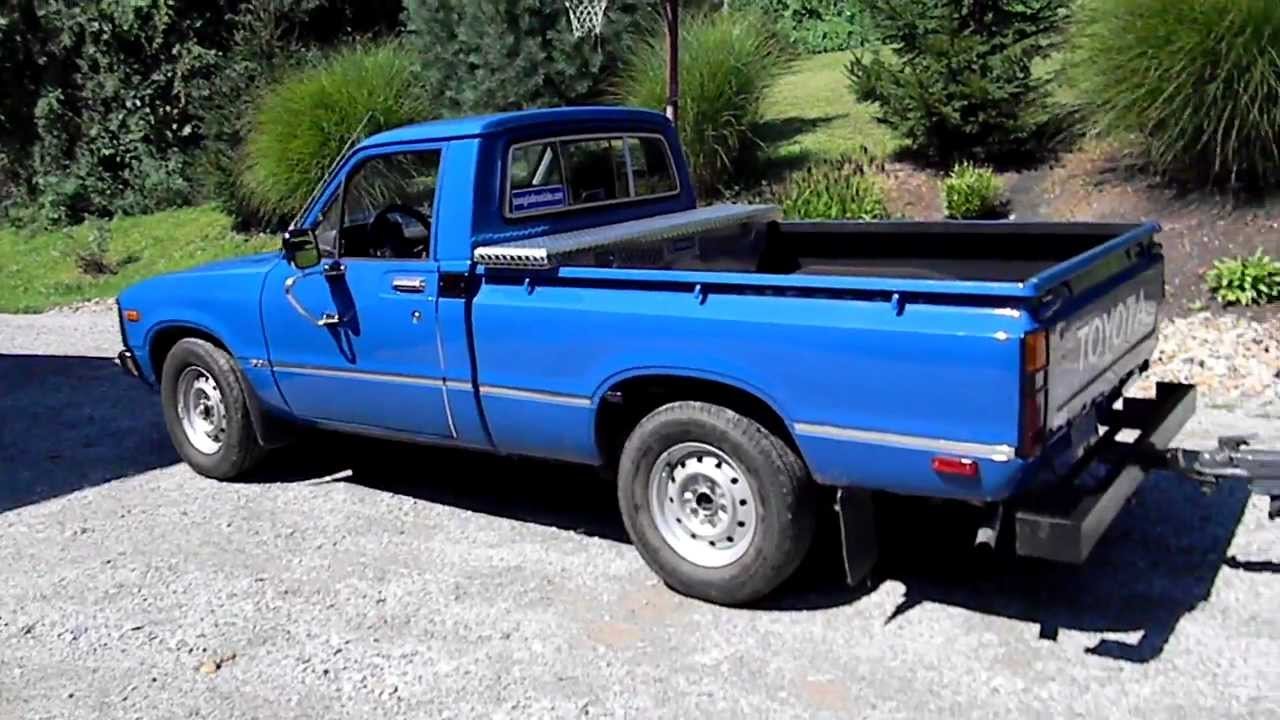
Choosing the right pickup truck rental can make or break your trip or job. You need the right vehicle for your terrain, load, and conditions. This guide explains clearly when to choose a 4WD pickup and when a 2WD pickup is better. You will learn practical scenarios and decision tips. The goal is to help you make the best choice without confusion.
What Are 4WD and 2WD Pickups?
A 4WD (four-wheel drive) pickup can power all four wheels at once. It helps with traction on uneven surfaces. A 2WD (two-wheel drive) pickup powers only the rear wheels. It is simpler and usually more fuel‑efficient.
Both types have strengths. Your needs determine which one fits your trip. Let’s break down the key differences.
Core Differences at a Glance
- Traction: 4WD excels off paved roads. 2WD handles paved and smooth surfaces well.
- Fuel Efficiency: 2WD generally uses less fuel.
- Maintenance: 4WD has more moving parts, so costs can be higher.
- Cost: 4WD rentals usually cost more per day.
- Handling: 4WD feels stable on loose surfaces. 2WD feels predictable on highways.
When to Choose a 4WD Pickup
There are times when a 4WD pickup is the safer, smarter choice. Below are common situations where 4WD adds value.
Off-Road Conditions
If your route includes trails, rocky paths, or dirt roads, 4WD gives control and confidence. When traction matters most, 4WD helps prevent getting stuck. Drivers going camping, hunting, or exploring rugged areas benefit from this capability.
Snow, Mud, or Loose Gravel
Winter weather and soft terrain reduce grip. 4WD distributes power evenly to all wheels. This improves stability when conditions are unpredictable. In deep snow or thick mud, 4WD can make the difference between progressing and spinning wheels.
Heavy Loads on Tough Terrain
Hauling equipment, supplies, or gear over rough patches calls for extra traction. 4WD manages weight better on non‑paved surfaces. This is important for jobs in construction zones, farms, or remote worksites.
Steep Hills and Slopes
Driving steep grades on gravel or dirt can cause wheel slip. 4WD assists by maintaining forward motion even when one wheel loses grip. If your route has frequent inclines, 4WD is a safer choice.
When to Choose a 2WD Pickup
A 2WD pickup can be more practical in many everyday situations. It provides efficiency and simplicity when the terrain is predictable.
Urban and Highway Driving
Most city streets and highways are paved and well maintained. In these conditions, 2WD performs efficiently and reliably. If your trip is mostly driving between towns or through cities, 2WD is usually enough.
Here’s where a Rent a Truck choice matters. For daily errands, moving furniture, or light hauling in town, 2WD saves you fuel and cost without unnecessary features.
Light Hauling on Smooth Roads
If you are transporting light loads and the roads are dry and paved, 2WD trucks handle the task well. They have adequate power and space. They also cost less per mile to operate than 4WD.
Better Fuel Economy
The simpler drivetrain in 2WD uses less gas. For long distances on good roads, this adds up. You save money and reduce fuel stops.
Lower Rental Costs
2WD pickups usually rent for less than 4WD. If you don’t need off‑road capability, choosing 2WD makes financial sense. Budget‑conscious travelers benefit from this choice.
Comparison: 4WD vs 2WD
Understanding specific features side by side can make your choice easier.
| Feature | 4WD Pickup | 2WD Pickup |
| Traction on rough terrain | Excellent | Limited |
| Fuel Efficiency | Lower due to extra drivetrain parts | Higher |
| Rental Cost | Higher | Lower |
| Best Use | Off‑road, snow, mud | Paved roads, light hauling |
| Maintenance Considerations | More complex | Simpler |
How Road Conditions Affect Your Choice
Knowing the route ahead is crucial.
Dry Pavement and Flat Roads
2WD handles these conditions without issues. You get comfortable handling and better mileage. There’s no traction disadvantage here.
Rain, Slush, and Wet Surfaces
Wet pavement reduces traction. 4WD can help in certain wet conditions. But even with 4WD, safe driving matters. Traction control and good tires are also key.
Sandy Beaches and Loose Soil
Sand and loose surfaces demand power to all wheels. 4WD prevents wheel spin and helps maintain momentum. In these environments, 4WD is more reliable.
Snow and Ice
A 4WD system helps start moving and maintain direction, especially in fresh or deep snow. However, good winter tires and cautious driving are essential regardless of drive type.
Load and Towing Considerations
Not all pickups are rated the same for towing. Drive type plays a role, but payload and towing capacity matter most.
Heavy Hauling on Paved Roads
Even if your load is heavy, 2WD can be fine on smooth paved roads. Check the truck’s payload rating and match it to your cargo weight.
Heavy Loads on Uneven Ground
Combining heavy hauling with rough terrain is where 4WD excels. Extra traction helps manage the load safely.
Cost and Budget Planning
Your budget affects the choice.
Daily Rental Rates
4WD pickups cost more per day. This premium reflects the added capability. If you don’t need off‑road power, avoid paying extra.
Fuel and Operating Costs
Expect 4WD to cost more per mile in fuel. Plan your budget accordingly, especially for long trips.
Insurance and Extras
Some rental companies charge more for 4WD insurance or optional protection plans. When comparing quotes, factor this in.
Safety and Handling Tips
Making the right choice also includes how you drive the pickup once you have it.
- Check tire condition: Tires affect traction more than drive type.
- Adjust speed to conditions: Slow down on slippery surfaces.
- Use 4WD responsibly: Don’t rely on it to defy physics. It helps, but safe driving rules still apply.
- Know your route: A GPS or offline map prevents surprises.
Choosing the Right Pickup for Your Purpose
Here are practical tips for specific goals.
Weekend Adventure Trips
If your adventure includes trails or backroads, choose 4WD. It gives peace of mind and flexibility.
City Moves and Home Projects
For moving furniture or doing yard projects with road access, 2WD is efficient. You avoid higher costs without sacrificing utility.
Worksite Jobs
Remote worksites with dirt access roads call for 4WD. It keeps your schedule and prevents delays from terrain issues.
Seasonal Travel
Winter journeys in snowy regions lean toward 4WD. Summer highway travel does not require it.
Frequently Asked Questions
Can a 2WD pickup handle light off-road trips?
Yes, a 2WD pickup can manage mild off-road conditions like gravel roads or short dirt paths, but it struggles on steep, muddy, or sandy terrain.
How do 4WD and AWD differ in pickups?
4WD is designed for serious off-road and can be engaged or disengaged. AWD (all-wheel drive) works automatically and is better for wet or slippery roads, not extreme off-road use.
Does 4WD increase maintenance costs?
Generally, yes. 4WD has more mechanical components, which can lead to higher maintenance and repair costs compared to 2WD.
Is it better to rent 4WD in winter even in cities?
Only if roads are regularly snow-covered or icy. Otherwise, 2WD with proper winter tires is sufficient for city driving.
Can 2WD pickups tow heavy trailers safely?
Yes, on paved and stable roads, 2WD pickups can tow heavy trailers if within the truck’s towing capacity. 4WD is needed only for towing on rough or slippery surfaces.
Is 4WD worth the extra cost?
4WD is worth it when you expect rough terrain or low traction. For paved roads, the extra cost does not deliver proportional benefits.
Can I drive a 4WD pickup like a 2WD?
Yes. You can use a 4WD pickup on paved roads. Just be aware of slightly lower fuel efficiency.
Do 2WD pickups handle rain well?
Yes. On paved roads, 2WD performs adequately in rain. Drive at safe speeds and maintain traction.
Should I consider tire type?
Absolutely. Off‑road or winter tires make a bigger difference than drive type in many situations.
Final Decision Checklist
Before you book, ask yourself these questions:
- What type of roads will I drive?
- Will weather affect traction?
- How heavy and bulky is my load?
- Do I need the extra cost of 4WD?
- What is my total budget?
Answering these helps decide between 4WD and 2WD.
Conclusion
Picking between a 4WD and 2WD pickup is ultimately about understanding your specific needs and matching them with the vehicle’s strengths. A 4WD pickup is ideal for rough, uneven, or unpredictable terrain where extra traction and stability are essential. On the other hand, a 2WD pickup is perfect for paved roads, light hauling, and situations where cost efficiency and fuel economy matter most. Making the right choice ensures that your trip, work project, or adventure goes smoothly and safely.
By carefully considering factors such as road conditions, weather, cargo load, and budget, you can confidently select a pickup that fits your requirements without overspending or compromising performance. Whether you are planning a remote worksite project, a weekend outdoor adventure, or a city move, understanding the capabilities and limitations of each option allows you to optimize both safety and efficiency. With this guide, you have the insights needed to make an informed decision and enjoy peace of mind behind the wheel, no matter where your journey takes you.